Why Code Is Art?
Concept has always been at the core of my artistic practice, and Code Is Art is the culmination of ideas I have been exploring for years.
The collection is built around a simple but fundamental belief:
Code should not be treated merely as a tool used to render images.
It should be understood as artistic material itself.
Algorithms can evolve. Systems can react. Software can preserve ideas while remaining alive.
Code Is Art explores this possibility through three interconnected aspects:
ARTIST
An evolving cronicle of milestones, breakthroughs, and artistic growth embedded directly into the work.
BITCOIN
The protocol not as marketplace, but as medium, infrastructure, and permanent memory.
CODE
Open, inscribed, explorable. The source itself as the primary artistic statement.
Artistic Performance
Code Is Art is not a static collection. It is an evolving artistic performance.
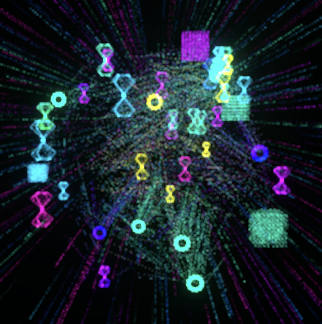
The project records symbolic milestones from my artistic journey, embedding them directly into the collection as visual structures and computational elements. Each one represents a real moment: a breakthrough, a collaboration, a conceptual shift that changed how I think about making art with code.
Rather than freezing artistic intent at a single point in time, this system grows alongside my career. New milestones can be added. The archive keeps expanding. The collection develops together with the artist who made it.
Milestones
Each milestone is embedded into the collection as a symbolic visual structure, recording meaningful moments that shaped my artistic practice.
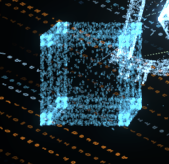
Box
Symbolic representation of my signature
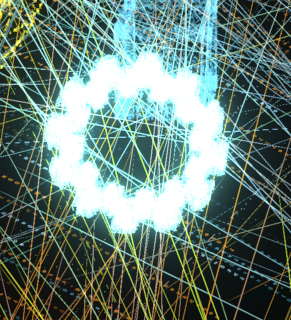
Deus Ex Machina
First Bitcoin-native generative art with live blockchain data
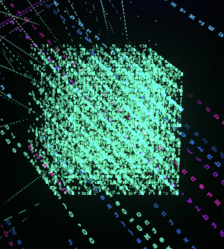
Enigma
Retro-futuristic maze system reacting to Bitcoin blocks in real time
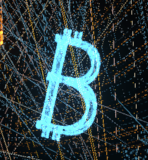
Bitcoin
This is the main reason we are here. Right?
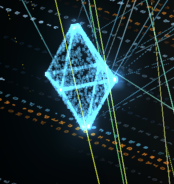
ETH
My artistic journey started on ethereum
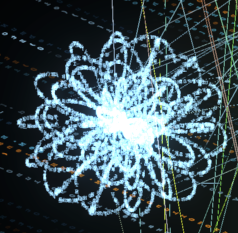
Atomic Attractor
My first generative piece, created before I even knew the term generative art existed. An exploration of attractor algorithms.
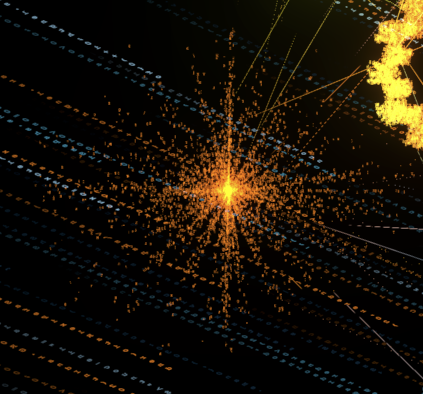
Star
Symbolizes hope & dreams that brought me to generative art
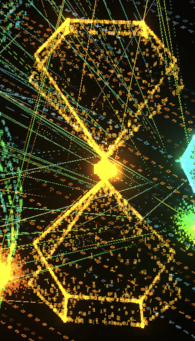
Hourglass
Symbolizes Bitcoin permanence
To Be Added
The collection evolves together with the artist
Evolution Through Time
Unlike traditional artworks, Code Is Art was intentionally designed to evolve.
The system can expand without losing continuity. Each new version becomes part of the historical timeline of the artwork, allowing collectors to witness artistic growth directly within the collection itself.
Chaos & Order
At its core, my artistic practice has always been a negotiation between chaos and order.
To me, creating art is not about absolute control, nor complete randomness. It is about building systems where unpredictability exists within boundaries, where structure slowly emerges from disorder.
In generative art, the artist does not create a final image. Instead, they attempt to tame an algorithm.
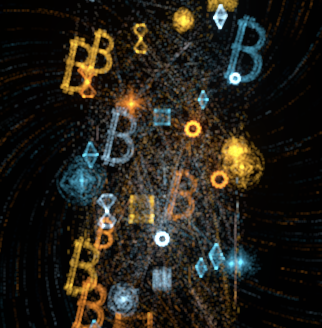
In Code Is Art, movement may initially appear chaotic. Figures drift, collide, and reorganize unpredictably. But if observed long enough, patterns begin to emerge. What first feels random slowly reveals hidden logic and direction.
In many ways, this mirrors the artistic mind itself. Ideas collide, evolve, and reorganize until meaning begins to take shape.
Not chaos against order, but chaos guided by it.
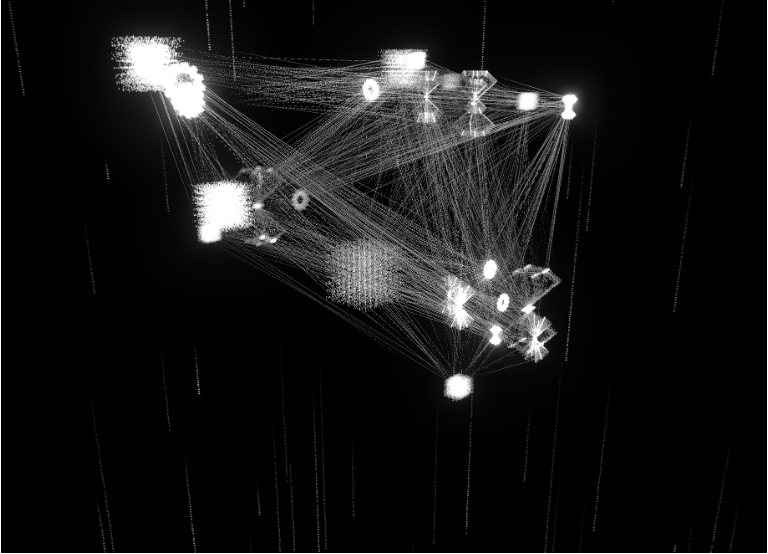 Early State
 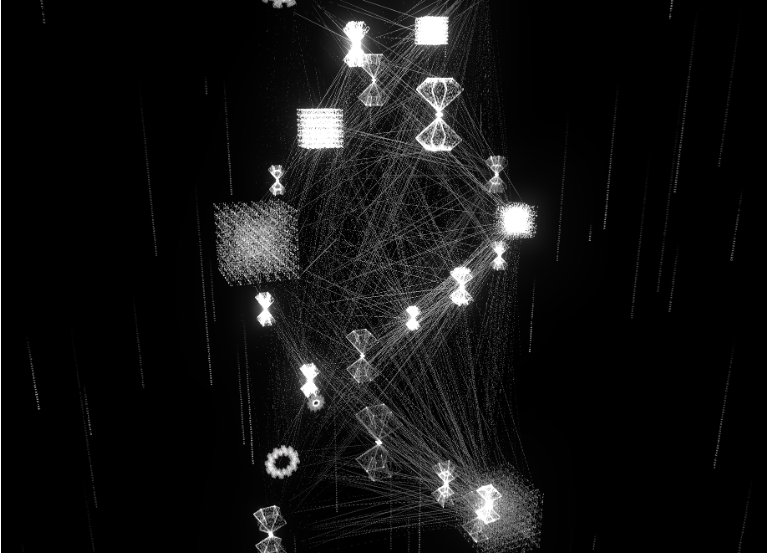 Emergent State
Bitcoin as Medium
Since Deus Ex Machina, my work has circled one question: what does it actually mean to make art that is native to Bitcoin?
Not art that is sold on Bitcoin, or stored on Bitcoin, but art that cannot exist without it. Art where the protocol itself is the medium, the infrastructure, and the memory.
Code Is Art is built on that idea. The mechanisms explored here are not technical choices made for convenience. They are the artistic material.
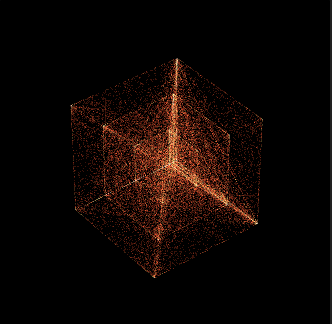 ARTIST SIGNATURECyberSea genesis inscription
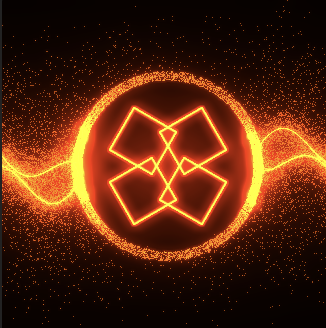 BITCOIN ART SOCIETYBAS genesis inscription
 CODE IS ART - PARENTchild of both signatures, collaboration inscribed permanently onchain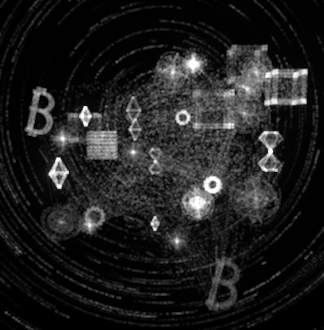
Code as Artistic Material
This dimension of the collection is about code itself. Not code as a production tool, but code as the primary artistic material.
To commit to that idea fully, the complete source code of Code Is Art is inscribed onchain. Anyone can read it, study it, and build on top of it. The logic is not hidden behind the output. It is part of the work.
What follows is an explanation of how that openness connects to a broader tradition, and what specific systems make this collection possible.
Open Source
Open source is not just a licensing model. It is the reason modern software exists at the level it does today. The most transformative technologies of the last decades: Linux, Git, the web itself, were built by people who chose to share their work, invite criticism, and let others build on top of their ideas.
This culture of openness is what allows software to evolve faster than any closed system ever could. Problems are seen by more eyes. Solutions emerge from unexpected directions. Knowledge compounds instead of disappearing behind walls.
Bitcoin itself is a product of this tradition. It emerged from the cypherpunk movement, a community of cryptographers and privacy advocates who believed that open, verifiable code was the only foundation worth trusting.
Satoshi Nakamoto did not ask for permission. The code was published, the system was transparent, and anyone could read exactly how it worked.
That openness was not incidental. It was the point.
I believe the same principle can apply to code-based art. When an artist shares not just the output but the logic, the decisions, the algorithms, the architecture, it gives other artists something to learn from, argue with, and build upon.
Open source built the modern internet.
The same openness could build the future of coded art.
Collectors and artists are invited to:
- read the code
- study the architecture
- discuss solutions
- reuse techniques
- build on top of ideas
The source code is inscribed directly on Bitcoin. What you see above is not a hosted file. It is the actual inscription.
Technologies & Systems
Code-based art can do things no other medium can.
Every system used here was chosen to make one of those things visible.
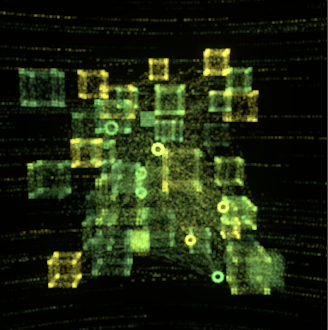
Characters as particles, forming shapes through shader algorithms
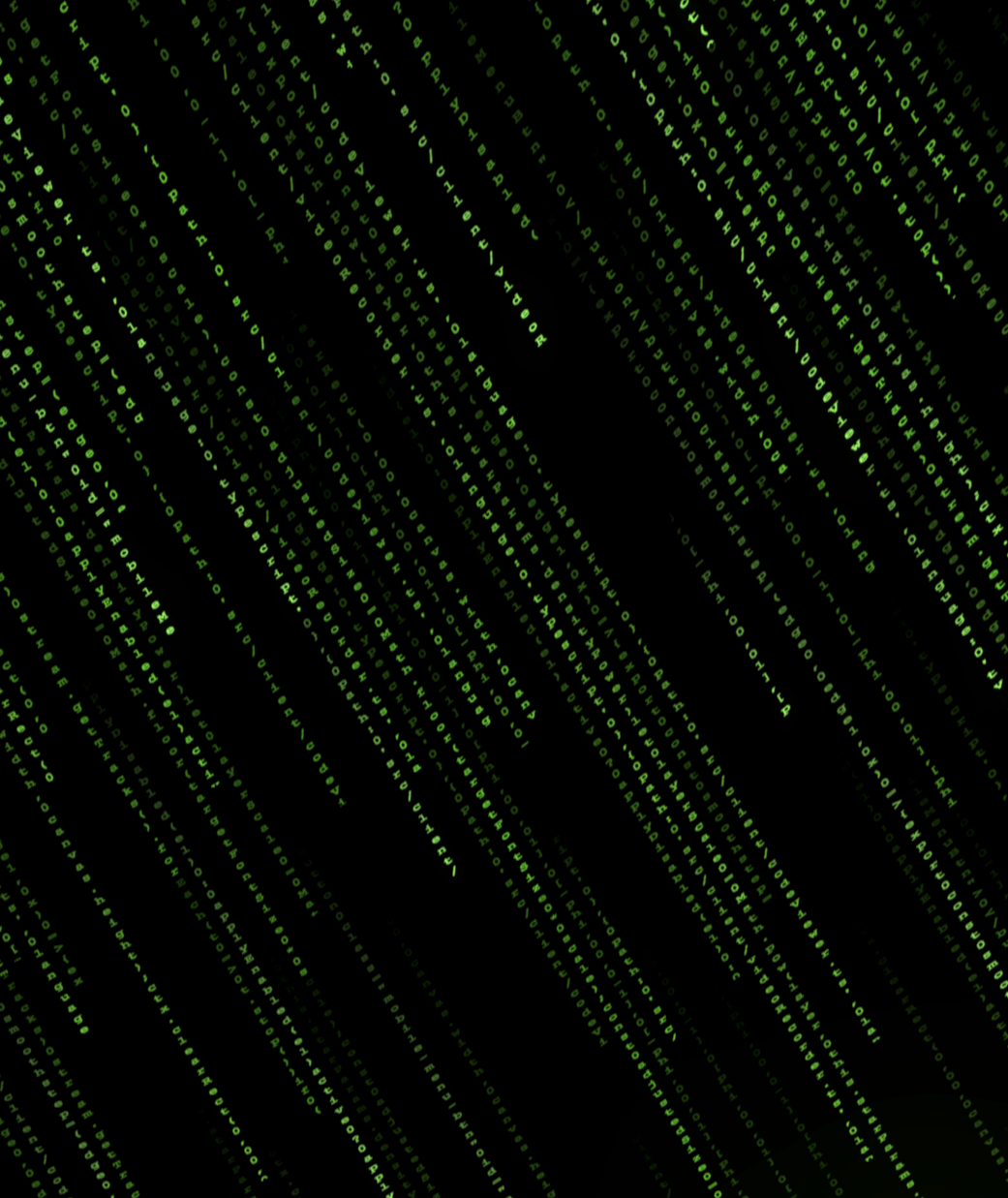
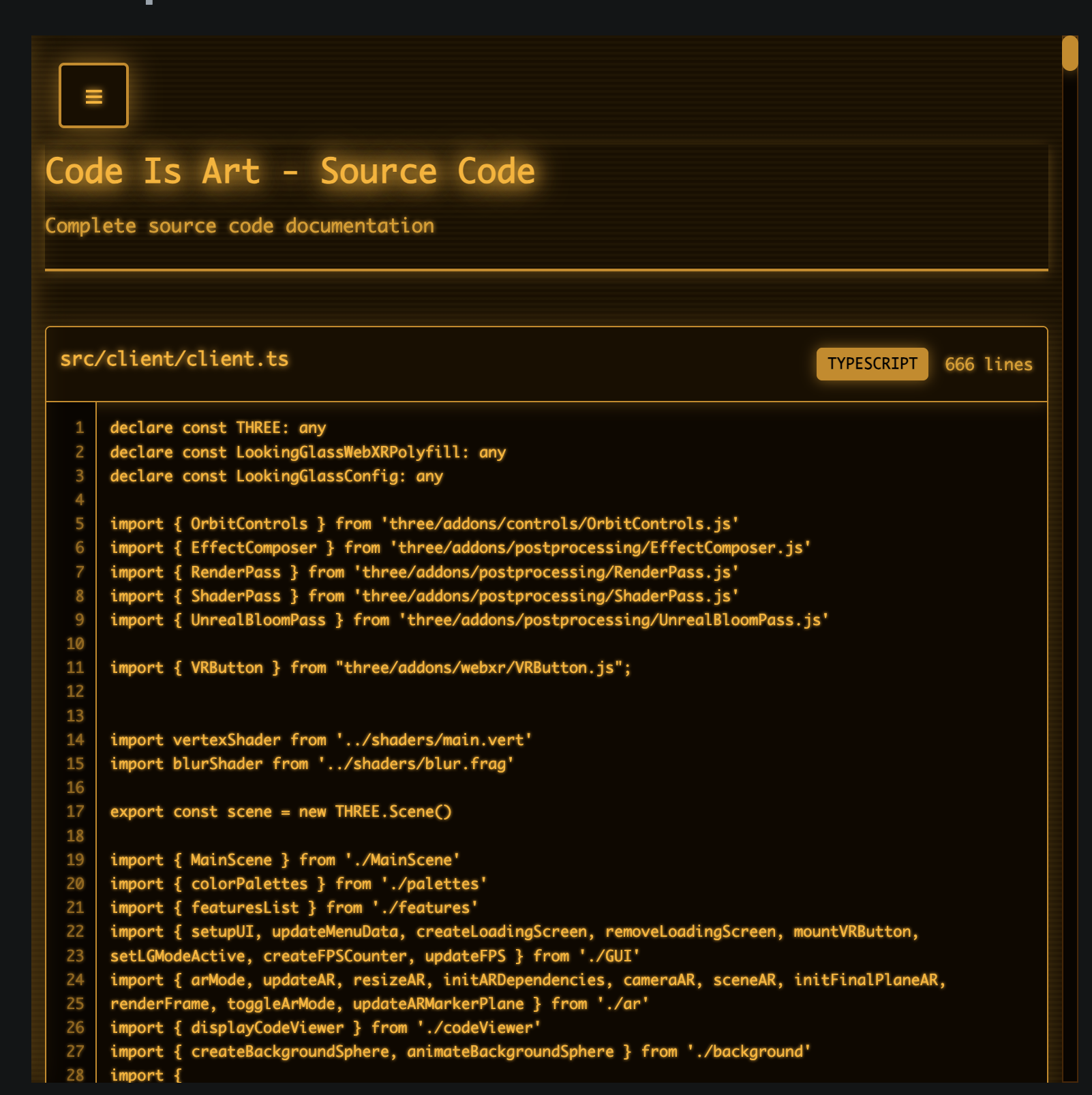
Lines of the project's source code rendered as the visual background of the artwork
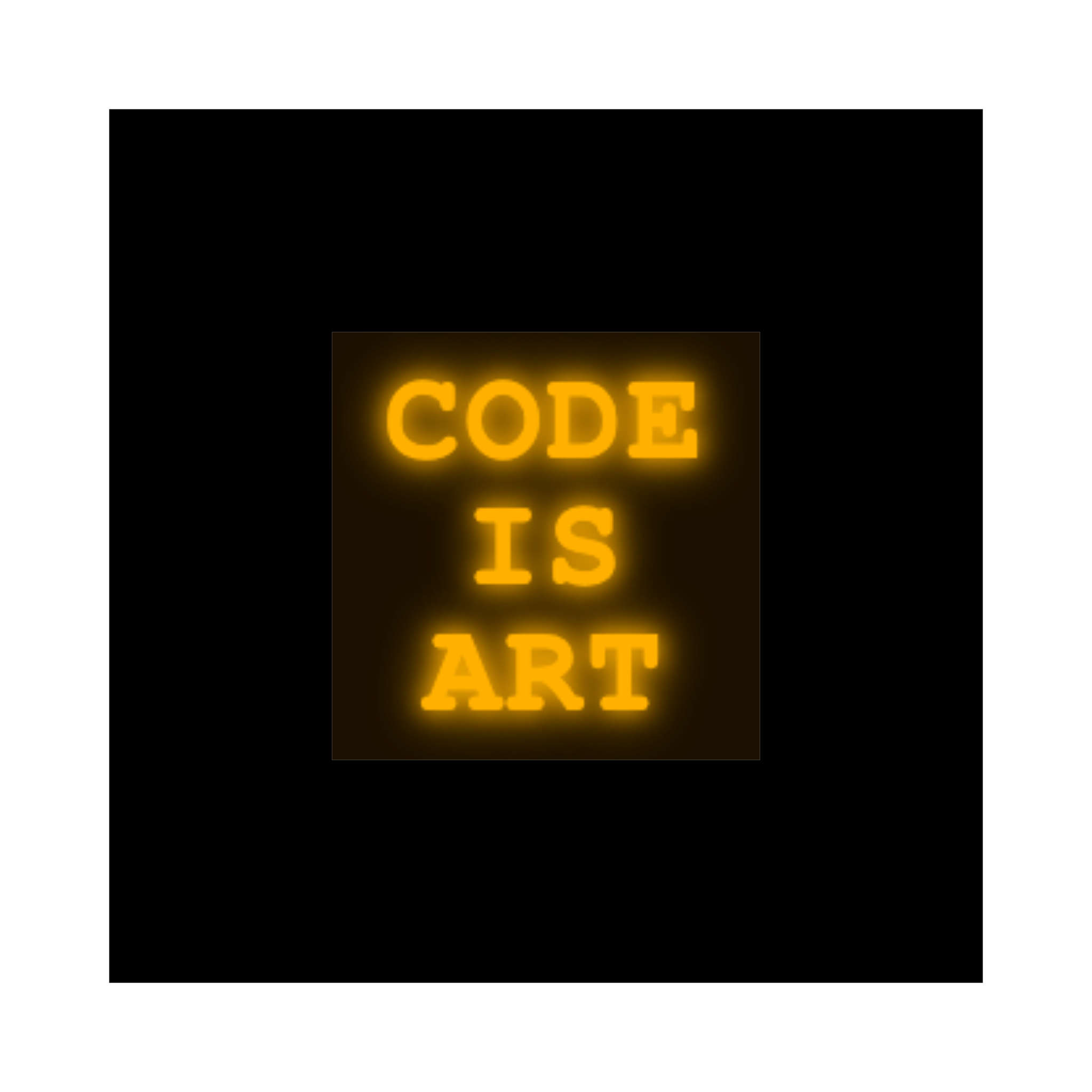
AR trigger pattern
Live AR demo
If you are an artist interested in using this technology in your own work, start by looking at ar.ts. The AR library itself is inscribed onchain and publicly available.
ordinals.com/inscription/a57e6176...14i0 ↗Manifest
We no longer live among objects.
We live inside systems.
Algorithms define perception. Networks distribute power. Software constructs the conditions of reality.
Art that does not reckon with this is decoration.
Code is not a tool for images.
Code is material and structure.
It is architectural logic made of constraints, execution, and behavior. Nothing is decorative. Everything is functional.
Like brutalist construction, coded systems do not hide their structure. They expose it. Logic is visible. Form is a consequence of function.
The artwork is not an object.
It is a system operating in time.
It reacts, evolves, and persists. Order is not imposed from outside. It emerges from within the system itself. Chaos is not removed. It is the material from which structure builds itself.
The artist does not decorate.
The artist builds systems capable of holding complexity.
Permanence is not stillness.
Permanence is continuity through change.
We do not design images.
We design systems that reveal themselves over time.
Art must be as exposed, functional, and uncompromising
as the systems that define reality.
Code is not a tool.
Code is material.
And material, in the hands of an artist, becomes art.
Live View
100 pieces. Live on Bitcoin. Browse the full collection directly on-chain.
Select a piece to begin
Use the controls below to load any piece from the collection.
Collection Gallery
All 100 pieces. Click any to load it in Live View.